
The evolution of casinos a journey through time and culture
The Origins of Gambling
The concept of gambling can be traced back thousands of years, with evidence of betting activities found in ancient civilizations. Archaeological discoveries indicate that as early as 3000 BC, the Chinese were playing a form of lottery with tiles. Similarly, the ancient Greeks and Romans engaged in various betting games, often linked to their love for sports and entertainment. Today, even the world of fashion reflects trends, much like how gambling has its own trends, such as those you can explore at online casino australia.
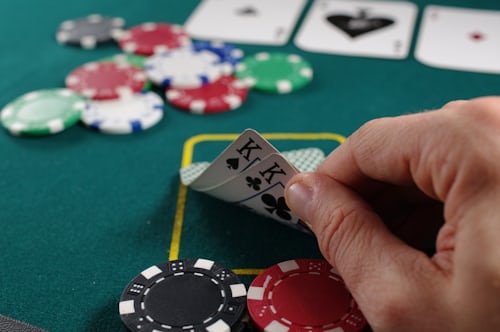
These early forms of gambling were more than just recreational activities; they were often intertwined with cultural rituals and community gatherings. Games of chance were used to settle disputes and even to predict future events, showcasing how deeply embedded gambling was in the social fabric of these societies.
The Rise of Formal Casinos
The first formal casinos began to emerge in the 17th century in Italy, particularly in Venice. The term “casino” itself is derived from the Italian word for “little house,” which was used to describe these venues. As the popularity of gambling grew, the establishments transformed from simple gaming houses to elaborate facilities offering a variety of games and entertainment.
By the 19th century, casinos began to spread across Europe and into the Americas, with notable examples such as the famous Monte Carlo Casino in Monaco. These venues not only provided gambling opportunities but also served as social hubs, attracting the elite and offering luxurious amenities, thus reflecting the social dynamics of their time.
Casinos in the Modern Era
The 20th century marked a significant turning point in the evolution of casinos, particularly with the legalization of gambling in various regions. Las Vegas emerged as the gambling capital of the world, attracting millions with its vibrant nightlife and extravagant resorts. This era also saw the introduction of electronic gaming machines, which revolutionized the way people interacted with gambling.
Modern casinos now encompass a wide range of entertainment options beyond traditional table games. With the integration of technology, online gambling has also gained prominence, allowing players to enjoy gaming experiences from the comfort of their homes. This shift has dramatically altered the landscape of gambling, making it more accessible and diverse.
Cultural Perspectives on Gambling
Gambling has always been shaped by cultural attitudes and norms. In some societies, it is celebrated as a form of entertainment, while in others, it may be viewed as a vice. For instance, in many Western cultures, casinos are a staple of nightlife, while in parts of Asia, gambling is often tied to tradition and family gatherings.
Moreover, the portrayal of gambling in media and literature has influenced public perception, reinforcing stereotypes and societal views. From the glamorous depictions in movies to the cautionary tales of addiction, these narratives reflect the complex relationship society has with gambling and its cultural significance.

Connecting Through Culture and Gambling
The evolution of casinos illustrates a journey through time and culture, highlighting how gambling practices have adapted and transformed across different societies. As a social activity, casinos provide a unique intersection where culture, entertainment, and community converge, creating experiences that resonate with people from diverse backgrounds.
Exploring the cultural significance of casinos not only enriches our understanding of this phenomenon but also invites us to appreciate the shared human experience that gambling represents. It fosters connections, encourages social interactions, and serves as a lens through which we can view broader cultural narratives.